How to Choose Aluminum Handle Extrusions in 2026?
Choosing Aluminum Handle Extrusions in 2026 requires more than comparing prices per kilogram. A handle may look simple, yet its profile controls grip comfort, strength, weight, finishing quality, and installation speed. The wrong wall thickness can create flexing around a screw hole. Small details matter.
The International Aluminium Institute’s Aluminium Sector Greenhouse Gas Pathways to 2050 reports that recycled aluminium requires about 5% of the energy used for primary aluminium. That statistic supports recycled-content decisions, but it does not remove the need for traceable alloys and consistent temper. The Aluminium Association also identifies aluminium as a major contributor to manufacturing, construction, transportation, and consumer products. These sectors demand reliable performance, not attractive catalog language.
Heidi Brock, president and chief executive officer of The Aluminum Association, has emphasized, “Aluminum is infinitely recyclable, making it a natural fit for a circular economy.” Her point is relevant, though incomplete. Recyclability cannot compensate for poor design, unstable tolerances, or weak quality control. It is only one part of responsible selection.
This guide examines 6063 and related extrusion alloys, profile geometry, load requirements, surface treatments, dimensional tolerances, and supplier verification. An anodized handle with a 0.02-millimeter finish variation may show visible color differences beside another handle. A polished profile can reveal die lines under bright retail lighting. That detail is easy to miss.
Not every premium-looking extrusion performs better. Sometimes, a simpler profile wins.
The strongest choice balances hand comfort, structural demand, machining needs, environmental data, and long-term cost. Procurement teams should request mill certificates, inspection records, coating specifications, and sample testing before approval. Industry reports provide direction, but real-world testing remains essential.
Define the Application and Performance Requirements
Choosing an aluminum handle extrusion in 2026 starts with the application, not the profile’s appearance.
A cabinet pull, machine door handle, and outdoor access rail face different demands. Define how often the handle moves, who uses it, and what force it must withstand. A warehouse door may need a thick wall and strong fixing points. A lightweight interior panel may need less material and a smoother grip.
Consider temperature, moisture, chemicals, and cleaning methods.
Outdoor handles can face rain, sunlight, and winter expansion. Industrial handles may contact oil or cleaning agents. Select an alloy, wall thickness, and surface finish that match these conditions. Check the grip diameter, edge radius, mounting space, and acceptable deflection. Small details matter. A handle that feels cold, sharp, or too narrow may be technically strong but unpleasant to use.
Tips:
Write the performance requirements before requesting extrusion samples. Include load direction, cycle frequency, installation method, and finish expectations. Ask for dimensional tolerances and material documentation. Test a real-length sample with the intended fasteners. A short sample can hide flexing or poor hand clearance. Also, do not assume thicker always means better. It may increase weight, cost, and machining time without improving the user’s experience. Some early specifications are incomplete. Review them after practical testing, and revise them without treating the first design as final.
Compare Aluminum Grades, Profiles, and Surface Finishes
Choosing aluminum handle extrusions in 2026 requires more than matching a catalog shape. Start with the alloy and temper. Common 6063 aluminum offers clean lines, reliable extrusion, and an attractive anodized surface. It suits cabinet pulls, access panels, and light equipment doors. For higher loads, 6061 may provide better strength, although it can be less forgiving during forming and finishing. Check the temper, wall thickness, and tolerance together. The alloy number alone does not define performance.
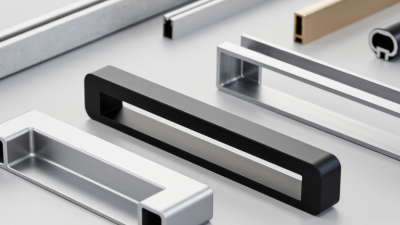
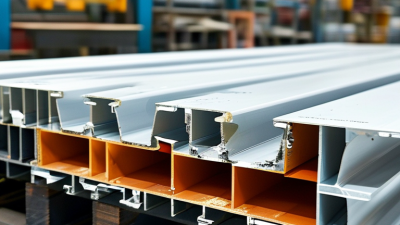
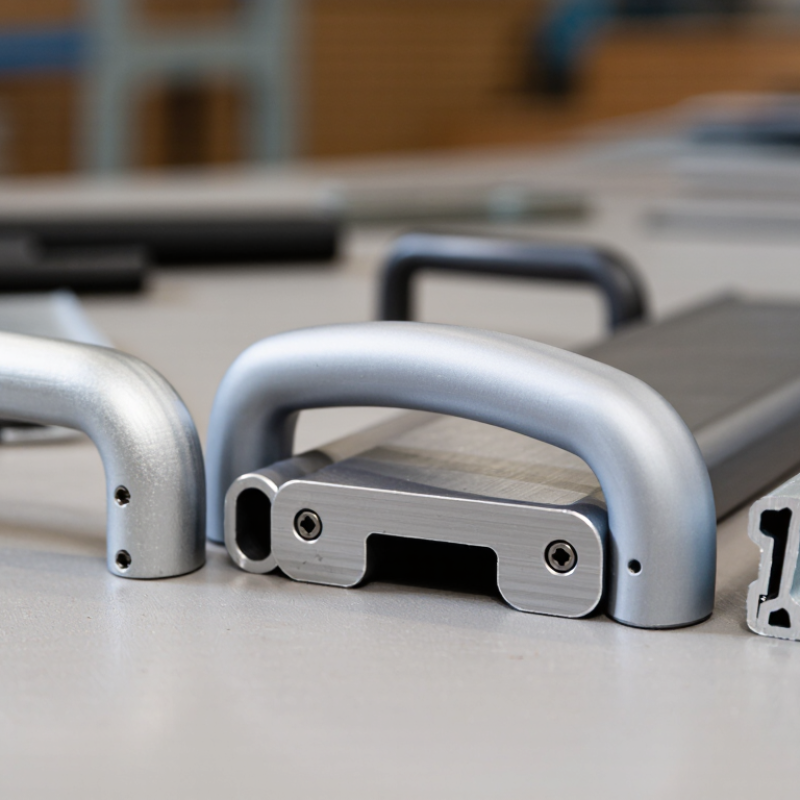
Profile geometry controls comfort and stiffness. A hollow handle can reduce weight, but thin walls may flex under repeated pulling. A solid bar feels stronger, yet it adds material and cost. Rounded edges improve grip and reduce pressure on the palm. Deep grooves can collect dust. I have seen attractive profiles become uncomfortable after long use. Request production samples whenever possible. Measure the grip area with the intended gloves, not only with bare hands.
Surface finish affects durability, appearance, and maintenance. Mill finish preserves a direct aluminum look, but it shows scratches quickly. Anodizing creates a hard, integrated surface and supports consistent metallic colors. Powder coating offers broader color choices and can hide minor extrusion marks. However, coating thickness may soften sharp profile details. Specify color tolerance, gloss level, and corrosion exposure before approval. For outdoor or humid settings, ask for documented testing rather than relying on visual confidence. Small design assumptions often become expensive corrections.
Select the Right Handle Dimensions and Mounting Method
Choosing an aluminum handle extrusion in 2026 starts with the hand, not the catalog. In workshop testing, a 20–30 mm grip diameter often feels balanced for adult users. Yet glove use may require more clearance. Measure the door or drawer surface first. Record length, center-to-center spacing, projection, and edge clearance. A handle that looks correct can still strike adjacent panels. Leave enough space for fingers without creating a snag point. Do not trust nominal dimensions alone. Extrusion tolerances and end-cap thickness can change the final fit.
Select the mounting method according to the panel and expected load.
Through-bolting suits thicker doors and repeated industrial use because the fastener clamps the handle securely. Tapped holes work well in substantial aluminum frames, but thin sections can strip under over-tightening. For sheet panels, use a backing plate or suitable threaded insert. Concealed rear mounting gives a clean face, though repair access becomes limited. That trade-off matters.
Before cutting a full batch, make one sample assembly. I learned this the inconvenient way. The grip was comfortable, but the screws sat too close to the extrusion wall. A small shift solved it, but material was wasted. Check screw length, washer seating, corner radii, and cleaning access. Test with the actual panel, gasket, gloves, and expected force. If the handle flexes, rattles, or feels sharp, revisit the section thickness and fastening plan. A beautiful profile is not enough.
Evaluate Manufacturing Quality, Standards, and Supplier Capability
How to Choose Aluminum Handle Extrusions in 2026?
Choosing aluminum handle extrusions requires more than checking surface appearance. A polished profile can still hide uneven walls, weak corners, or unstable dimensions. ASTM B221 defines requirements for aluminum-alloy extruded bars, rods, and profiles. EN 755 and EN 12020 also provide useful guidance on mechanical properties and precision tolerances. Ask suppliers for current test reports, alloy certificates, and dimensional inspection records. Do not accept generic claims.
Measure the critical areas.
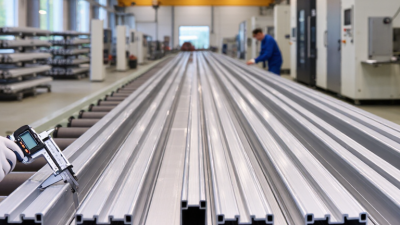
In production audits, I examine die maintenance, billet traceability, extrusion speed, cooling control, and cutting accuracy. A reliable supplier should explain how each stage is monitored. ISO 9001 certification can support process consistency, but certification alone proves little without recent corrective-action records. Request samples from different production batches. Compare corner radii, anodizing thickness, color variation, and burr control under direct light.
Capacity matters more in 2026. The International Aluminium Institute projects global aluminum demand could rise about 80% by 2050, increasing pressure on material supply and production planning. This does not automatically mean better quality. It may mean longer lead times. Check monthly capacity, backup tooling, quality personnel, and export documentation before approving a supplier. I have found that the smallest tolerance often creates the largest delay. My own evaluation can also be imperfect, especially when samples come from one carefully selected batch. That is why third-party testing and repeated inspections remain worthwhile.