Leave Your Message

How to Choose Aluminum Square Tubes for Your Project?

Choosing Aluminum Square Tubes is not simply a matter of selecting the cheapest profile. The right tube must match your project’s loads, environment, dimensions, and fabrication method. A lightweight frame may need a different alloy and wall thickness than a structural enclosure or outdoor railing. Small differences can affect strength, bending, welding, and long-term performance.

Details matter. Begin by identifying the tube’s outside dimensions, wall thickness, alloy, and temper. Common options, such as 6061 and 6063 aluminum, offer different balances of strength, appearance, and workability. Consider how the material will be cut, drilled, welded, or joined. Welding can reduce strength near the heat-affected area, which is sometimes overlooked during planning. Measure twice.

Your environment also deserves careful attention. Moisture, salt air, chemicals, and constant outdoor exposure may influence the required finish and maintenance schedule. A clean anodized surface may suit visible architectural work, while a mill finish could be practical for a covered frame. Ask suppliers for clear specifications, dimensional tolerances, test reports, and material certifications. Reliable documentation is more useful than vague claims.

A common mistake is choosing a tube based only on appearance. I have seen projects underestimate wall thickness, then discover unwanted flex during assembly. That choice matters. Load calculations, connection design, span length, and safety factors should guide the final selection. If the application carries people, equipment, or significant weight, consult a qualified engineer and verify applicable local standards. Aluminum Square Tubes can perform exceptionally well, but only when their properties match the actual job. Recheck the assumptions before ordering.
How to Choose Aluminum Square Tubes for Your Project?

Define the Project Requirements for Aluminum Square Tubes

When selecting aluminum square tubes, define the project before comparing profiles. Record the load, span, support method, and service life. A handrail needs different requirements than a machine frame. Measure the available space carefully. A few millimeters can affect the fit. My first workshop estimate was too optimistic. The finished frame needed extra clearance for fasteners and movement.

Choose the alloy and temper according to strength, corrosion resistance, and joining needs. Do not select the thickest wall automatically. It may increase weight without solving the real problem. Check both load capacity and deflection, especially for long, unsupported sections. A tube can remain unbroken yet bend too much for practical use. Include the weight of panels, brackets, tools, and occasional impact. These small details are often missed.

Consider the working environment before specifying the finish. Outdoor moisture, salt air, cleaning chemicals, and temperature changes can affect performance. Define the required outside dimensions, wall thickness, length tolerance, straightness, and cut-end condition. If welding is planned, confirm suitable material and allow for heat-related distortion. Ask for dimensional records and material documentation when reliability matters. A short sample can reveal burrs, surface marks, or fit problems before full fabrication. I still recheck measurements after assembly; drawings are useful, but real parts sometimes disagree.

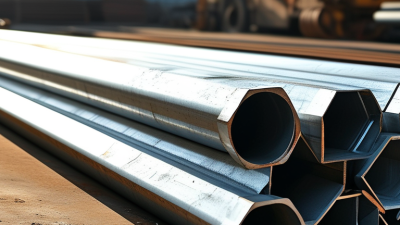
Compare Aluminum Grades, Strength, and Corrosion Resistance

How to Choose Aluminum Square Tubes for Your Project?

Aluminum square tubes are not interchangeable. Grade and temper can change structural performance significantly. The Aluminum Association’s Aluminum Standards and Data lists 6061-T6 with a typical minimum yield strength near 241 MPa. It also identifies 6063-T5 near 110 MPa. That difference matters when a tube supports shelves, frames, or moving loads. Stronger is not always better.

For outdoor projects, 6061 offers a practical balance of strength, machinability, and corrosion resistance. Its T6 temper suits brackets and load-bearing frames. However, welding can reduce strength near the heat-affected zone. That detail is often missed. 6063 is easier to extrude and provides a smoother surface finish, making it useful for architectural rails and visible enclosures. For humid or coastal exposure, 5052 is worth comparing. ASM Handbook, Volume 13A, describes magnesium-containing 5xxx alloys as highly resistant to atmospheric and marine corrosion. Still, no aluminum grade should be treated as maintenance-free.

Check wall thickness, temper, weld condition, and fastener compatibility together. ASTM B221/B221M covers aluminum extruded tube requirements, but the standard does not choose a design for you. Avoid direct contact with copper or carbon steel in wet environments, unless suitable isolation is used. I have seen corrosion begin around one poorly sealed bolt. Small details matter. Manufacturer certificates and mill test reports can confirm chemistry, temper, and mechanical properties. Yet published values are not a substitute for project-specific engineering. Temperature, unsupported length, and local dents may reduce real-world capacity.

Choose the Right Tube Dimensions and Wall Thickness

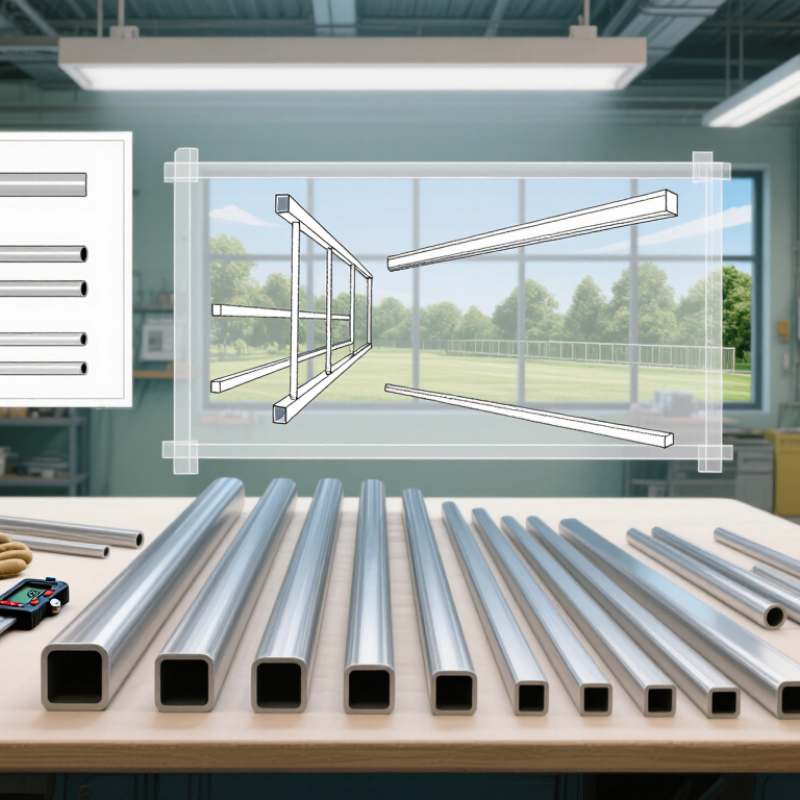
Choosing aluminum square tube starts with the job, not the catalog. I begin by recording the unsupported span, expected load, connection method, and available installation space. A 25 mm tube may fit neatly, but it can twist or deflect across a long opening. A larger outside dimension usually improves stiffness because the material sits farther from the neutral axis. However, bigger is not always better. It may add weight, complicate joints, and waste interior clearance. For frames, guards, and light supports, I compare calculated deflection with the project’s practical limit. Strength alone is insufficient. A tube can resist ultimate failure yet feel springy during normal use.

Wall thickness deserves equal attention. Thin walls reduce weight, but they can dent near bolts and crush under clamps. Thicker walls improve local durability and provide more thread engagement, though they increase cost and mass. I check the tube’s area, moment of inertia, and buckling risk for compression members. For welded assemblies, I also allow for heat distortion and reduced strength around the weld zone. Use actual measured dimensions when clearance is tight; nominal sizes are not perfectly exact. I once selected a wall that looked adequate on paper, then found the fasteners distorted the corner. That mistake changed my process. Now I inspect load paths, edge distances, and support spacing before ordering material. A small prototype can reveal vibration, fit, and handling problems that calculations miss. Document assumptions and verify them.

Evaluate Surface Finish, Fabrication, and Connection Options

When choosing aluminum square tubes, inspect the surface finish under actual project lighting. Mill finish may show small lines, color shifts, and handling marks. These are not always defects, but they can affect visible frames. Anodized surfaces offer consistent color and improved wear resistance. Powder-coated finishes provide broader color choices and added protection. Check coating thickness, edge coverage, and scratches near cut ends. I once approved a sample indoors, then noticed uneven shading outdoors. That mistake changed my inspection routine.

Fabrication requirements should guide the tube selection. Confirm the alloy, temper, wall thickness, and dimensional tolerance before cutting. Thin-wall tubes save weight, but drilling can easily distort them. Use sharp blades, controlled feed rates, and deburring tools for clean edges. Welding may reduce strength near the heat-affected zone. Mechanical fastening can preserve more of the original tube properties. Ask for test cuts when the finish is critical. Small trials often expose problems earlier than drawings do.

Connection options depend on load, access, appearance, and future maintenance. Bolts allow adjustment and replacement, while rivets suit lighter assemblies with limited access. Corner brackets simplify right-angle joints, but they need accurate tube dimensions. Welding creates a clean appearance, yet it requires skilled preparation and suitable filler material. Isolate aluminum from dissimilar metals with compatible washers or coatings. Otherwise, moisture can accelerate galvanic corrosion. Leave room for thermal movement in long outdoor structures. My earlier design ignored this detail, and the joints became unnecessarily tight.

How to Choose Aluminum Square Tubes for Your Project? - Evaluate Surface Finish, Fabrication, and Connection Options

Project Requirement Recommended Tube Characteristics Typical Technical Data Surface Finish Options Fabrication Considerations Connection Options
Light-duty frames, guards, and display structures Thin-wall square tube with a smooth mill finish Common wall thickness: 1.2–2.0 mm
Typical alloy: 6063-T5
Good formability and appearance
Mill finish; clear anodizing when improved uniformity and oxidation resistance are needed Easy to cut, drill, and machine; use sharp tools and avoid excessive heat during cutting Bolts with washers, self-tapping screws, corner brackets, or internal joining blocks
Load-bearing frames and equipment supports Heavier-wall tube selected according to bending, buckling, and joint loads Common wall thickness: 2.0–6.0 mm
Typical alloy: 6061-T6
Approximate yield strength: 240 MPa for many 6061-T6 extruded products
Mill finish or anodized finish; remove sharp edges before coating Good machinability, but heat from welding reduces strength in the heat-affected zone; design welded joints accordingly Through-bolts, gusset plates, structural fasteners, or welded joints designed by a qualified engineer
Outdoor structures exposed to weather Corrosion-resistant aluminum with sealed surface treatment and adequate drainage Typical wall thickness: 1.5–3.0 mm
Use thickness and alloy based on span, wind, and snow loads
Allow for thermal expansion
Anodizing provides a durable oxide layer; powder coating provides a wider color range when properly prepared Seal open tube ends or use end caps; avoid designs that trap water inside the tube Stainless-steel fasteners with isolation washers, aluminum brackets, or compatible rivets
Visible architectural or decorative applications Consistent extrusion quality with controlled corner radii and uniform surface appearance Common wall thickness: 1.5–3.0 mm
Typical alloy: 6063 series
Prioritize appearance and finish consistency over maximum strength
Brushed, polished, anodized, or powder-coated surfaces; request sample approval for color matching Protect surfaces during sawing and assembly; use non-marking clamps and deburr all cut edges Concealed brackets, miter joints, angle connectors, or adhesive-assisted mechanical joints
Projects requiring frequent disassembly or adjustment Tube compatible with modular connectors, T-nuts, or internally threaded hardware Typical wall thickness: 1.5–3.0 mm
Confirm that the wall can support the selected thread or insert
Use reinforced joints for repeated loading
Mill finish, anodized finish, or powder coating depending on handling and appearance requirements Drill access holes for internal hardware; avoid over-tightening, which can crush thin-wall sections T-slot or internal connectors, rivet nuts, threaded inserts, removable bolts, and clamp fittings
Clean-room, food-contact, or easy-clean environments Smooth, non-porous finish with minimal crevices and accessible joints Select alloy and coating according to the applicable hygiene and chemical-exposure requirements
Use rounded or capped ends where practical
Smooth anodized or powder-coated surface; verify resistance to the cleaning chemicals being used Avoid unsealed cavities and rough welds; clean chips and residues after fabrication Continuous welds where appropriate, sealed mechanical joints, or corrosion-resistant fasteners
Welded assemblies Weldable aluminum alloy with sufficient wall thickness for joint preparation and distortion control Common wall thickness: 2.0–6.0 mm
6061-T6 is weldable, but the welded area loses temper strength
Use qualified welding procedures for structural work
Clean mill finish before welding; anodizing or coating is normally applied after fabrication Remove oxide and contamination before welding; control distortion with suitable fixturing and sequence TIG or MIG welding, supplemented by gussets or mechanical fasteners where required
Mixed-metal assemblies Aluminum tube with a planned galvanic-isolation strategy Use compatible fasteners and barriers
Keep dissimilar metals dry where possible
Consider sealants in exposed joints
Anodizing, coating, isolating washers, sleeves, or protective joint compounds can reduce contact corrosion Do not allow bare aluminum and dissimilar metal to remain in direct, wet contact; inspect cut and drilled areas Non-conductive bushings, polymer washers, coated fasteners, or isolated bolted connections
Selection note: Final tube size and wall thickness should be verified against span, load, deflection, buckling, impact, temperature, corrosion exposure, and local design requirements. Technical values shown are typical guidance and may vary by extrusion standard and product condition.

Check Standards, Suppliers, Costs, and Long-Term Performance

Choosing aluminum square tubes requires more than matching a side length. Check the required alloy, temper, wall thickness, and tolerance against ASTM B221 or EN 755. These standards help verify dimensions and mechanical performance. Ask suppliers for mill certificates, inspection records, and traceability documents. A low quotation may hide inconsistent wall thickness or poor surface treatment. That mistake becomes expensive when holes no longer align.

Supplier reliability also affects long-term cost. Compare delivered price, minimum order quantity, cutting fees, packaging, and replacement lead time. The U.S. Geological Survey’s Mineral Commodity Summaries 2025 estimated global primary aluminum production at roughly 72 million metric tons in 2024. Supply is large, but regional availability can still change quickly. For outdoor structures, request corrosion data and confirm whether anodizing or powder coating suits the exposure. Design for drainage. Trapped water can damage even a well-selected tube.

Tips: Test a sample before ordering a full batch. Measure wall thickness at several points. Do not rely only on a catalog drawing. The U.S. Department of Energy reports that recycling aluminum can use up to 95% less energy than primary production, so include recycled content and end-of-life recovery in your cost review. However, recycled content does not automatically guarantee the right strength or finish. I would also allow a small tolerance margin; real projects rarely stay perfectly clean.

How to Choose Aluminum Square Tubes for Your Project

Nominal mass comparison for commonly used 6061-T6 aluminum square tube sizes. The values are calculated from the nominal dimensions and aluminum density of 2.70 g/cm³; actual mass may vary with manufacturing tolerances.

When selecting a tube, compare the required strength, wall thickness, corrosion environment, and allowable deflection. Confirm the applicable specification, such as ASTM B221 or EN 755-9, together with the alloy, temper, dimensional tolerances, and test documentation. Lower mass can reduce handling and transport costs, while thicker walls generally improve stiffness and long-term durability.