Choosing the right Wooden Aluminium Round Tube in 2026 requires more than comparing prices or surface finishes. The tube must balance appearance, structural performance, moisture resistance, and manufacturing consistency. A warm wood exterior can complement furniture, interior screens, stair rails, or architectural details. However, the hidden aluminium core determines much of its practical value.
Elias Hartmann, a senior specialist in aluminium-wood composite systems, says, “A beautiful tube still fails when its core, coating, and connection details are treated as separate decisions.” This principle matters during specification. Check the aluminium alloy, wall thickness, tube diameter, and joining method. Ask whether the wooden layer is natural veneer, laminated timber, or a printed finish. Each option responds differently to humidity, impact, and repeated handling.
A reliable supplier should provide tolerance data, coating information, moisture guidance, and sample sections. Hold the sample near a window. Look for uneven grain, loose edges, pinholes, or visible gaps around the aluminium. Small defects often become expensive after cutting and installation. Also examine thermal movement between the wood and metal, especially for long tubes exposed to sunlight.
There is no perfect selection.
My practical concern is that buyers often focus on color first. That is understandable, but incomplete. A darker finish may absorb more heat, while an untreated wooden surface may require regular maintenance. Recycled aluminium content, repair options, and low-emission coatings also deserve attention in 2026. The best Wooden Aluminium Round Tube is not simply attractive. It should remain stable, serviceable, and honest about its limitations.
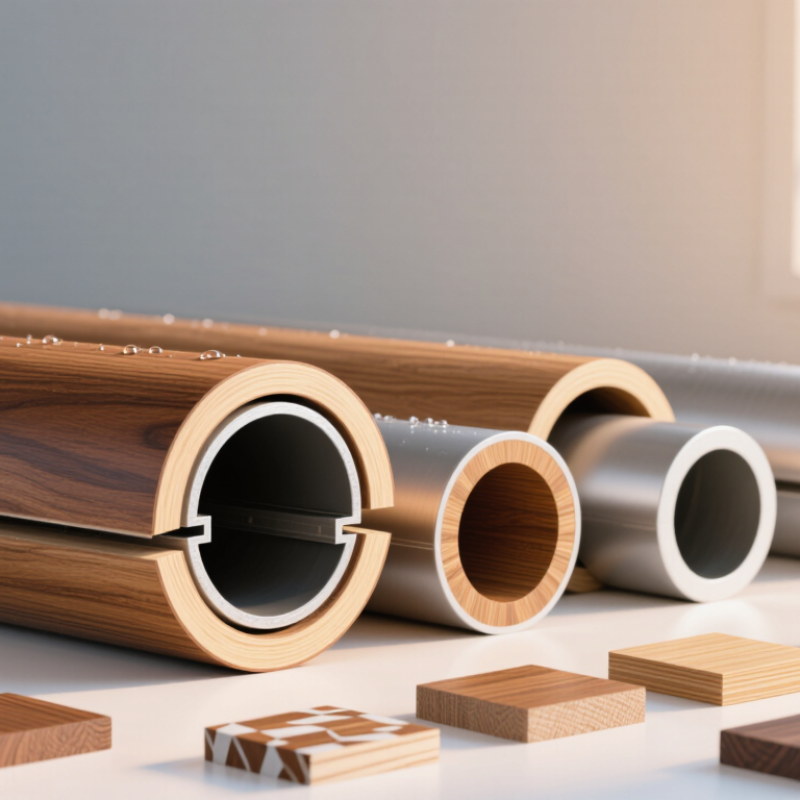
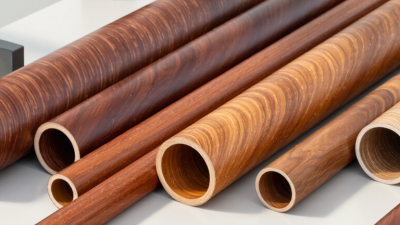
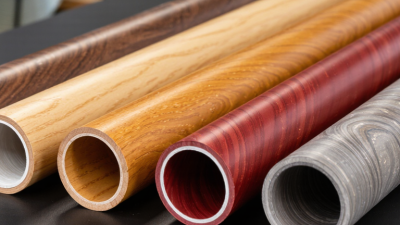
A wooden aluminium round tube is an extruded aluminum tube with a wood-grain decorative finish. It is not solid timber. A transfer film, powder coating, or sublimation process creates the visible texture on the metal surface. The result can resemble oak, walnut, or cedar while keeping aluminum’s light weight and dimensional stability.
This material suits railings, garden screens, pergolas, furniture frames, and interior partitions. Its round hollow profile offers clean edges and easier handling. Check the outside diameter, wall thickness, alloy, temper, and allowable load before ordering. A decorative finish cannot correct an undersized structure. I have seen attractive tubes fail because installers ignored joint design and drainage.
The International Aluminium Institute reports that aluminum recycling can save up to 95% of the energy used for primary production. This supports aluminum’s long-term resource value, but coating removal and local recycling access still matter. Color matching also deserves caution. Wood effects may vary between production batches, and outdoor exposure can slowly change the tone.
Tips: Request a physical sample, not only a screen image. Confirm coating performance, surface hardness, and warranty conditions. For outdoor use, inspect cut ends and seal water-entry points. Small details matter.
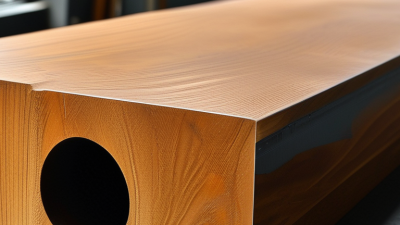
Choosing a wooden aluminium round tube begins with the project’s environment. For outdoor railings, screens, and pergolas, a corrosion-resistant aluminium alloy with suitable wall thickness offers a practical balance. Extruded aluminium is lightweight, stable, and easier to install than solid timber. It will not rot, but it can still dent during transport. That detail is often overlooked.
The finish controls both appearance and service life. Wood-grain sublimation can create realistic oak, walnut, or ash effects while keeping aluminium’s structural benefits. Powder coating provides a tough surface and many colour options. Anodizing gives a clean metallic look, but it may not reproduce natural wood patterns. For coastal or high-sun locations, confirm UV resistance, coating adhesion, and salt-spray performance with technical documents. A darker finish may also become noticeably hotter under direct sunlight.
Tips: Match the grain direction before cutting and assembling each tube. Check sample colours outdoors, not only under showroom lighting. Protect cut ends with suitable caps or sealant. Leave room for drainage and thermal movement. I would avoid choosing by appearance alone; a beautiful finish can still fail when installation details are weak. Even careful selection may need revision after seeing the real light, surrounding materials, and daily use.
Choosing a wooden aluminium round tube in 2026 starts with the job, not appearance. Measure the outside diameter needed for grips, frames, rails, or display structures. Then check the inside diameter for inserts, cables, or connecting sleeves. A tube may look strong while its bore is too narrow. That mistake can force a redesign.
Wall thickness controls stiffness, weight, and resistance to denting. For a light indoor frame, a thin wall may be adequate. For a handrail or longer span, choose a thicker wall after checking the expected load and support spacing.
A 2 mm wall and a 3 mm wall do not behave alike over a 1.5 m span. Ask for dimensional tolerances, straightness, and alloy data, not only a product photograph.
If the wooden layer is decorative, confirm how it is bonded and whether moisture can reach the aluminium. In damp rooms, sealed edges matter. They are often overlooked.
Use a sample section before ordering a full length. Test drilling, cutting, fastening, and end finishing with your actual tools. Check whether screws crush the wood or distort the metal.
I once treated nominal dimensions as exact; the connector fit poorly. Leave practical clearance, but do not guess.
For load-bearing use, have a qualified engineer verify the section, fasteners, and fixing points against local requirements.
Also inspect the tube after transport, because small dents can reduce fit and visual quality.
How to Choose Wooden Aluminium Round Tube in 2026?
Strength starts with the alloy, wall thickness, and tube diameter, not the wood-look finish. The Aluminum Association’s Aluminum Standards and Data identifies aluminium’s density at about 2.70 g/cm³, compared with roughly 7.85 g/cm³ for carbon steel. That difference can reduce handling weight significantly. However, lighter is not automatically stronger. For 6063-T5 profiles, ASTM B221 commonly specifies minimum tensile strength near 140 MPa. Check the supplier’s actual test certificate.
Wall thickness matters more than many buyers expect. A thin tube may look rigid but deform around fasteners or under repeated bending. For handrails, frames, or outdoor screens, inspect ovalisation, weld quality, and allowable load data. Ask for dimensional tolerances, not only attractive photographs. The real answer is less tidy.
Durability depends on both the aluminium and its surface treatment. AAMA 2605 performance requirements are widely used for high-performance architectural coatings, including colour retention and resistance to weathering. Powder-coated wood effects should also be checked for edge coverage, scratches, and moisture entry at cut ends. The International Aluminium Institute reports aluminium recycling rates above 70% in many established markets, supporting long-term material value, but recycling does not repair poor design. I would still test one sample through rain, sunlight, and repeated fastening before ordering a full batch.
How to Choose Wooden Aluminium Round Tube in 2026?
Supplier comparison should begin with specifications, not attractive unit prices. Request the aluminium alloy, wall thickness, wood species, moisture content, surface finish, diameter tolerance, and straightness data. A reliable supplier should provide mill certificates, coating information, sample sections, and installation drawings. Ask for production lead time in writing. Delays are expensive.
Compare the complete landed cost. Include cutting, protective packaging, freight, taxes, connectors, wastage, and replacement lengths. A useful quotation lists price per metre and price per finished assembly. The International Aluminium Institute reports that recycled aluminium requires about 5% of the energy used for primary aluminium production. This may reduce environmental impact, but recycled content still needs verification. Cheap material can hide inconsistent walls or weak bonding.
Installation requirements deserve equal attention. Check whether the wooden core expands with humidity while aluminium expands with temperature. Use compatible fasteners, drainage paths, and separation layers where moisture may collect. Measure the actual site before ordering; walls are rarely perfectly square. The UNEP Global Status Report for Buildings and Construction 2023 states that buildings and construction represented about 37% of global energy and process-related emissions in 2022. Durable assemblies matter. They also cost more initially. That trade-off is easy to underestimate. In practice, I would test one short assembly before approving a large batch. Supplier promises are useful, but real fit is better evidence.
Indicative 2026 planning costs for a supplier-neutral wooden aluminium round tube project. Actual prices vary by diameter, wall thickness, wood species, finish, order quantity, transport, and installation conditions.
For a fair supplier comparison, request the same outside diameter, aluminium alloy and temper, wall thickness, wood species, surface treatment, cut length, packaging, and delivery terms. Installation estimates should include alignment, mechanical fixing, expansion allowance, sealing, and protection against moisture at wood-to-metal interfaces.