Top Aluminium Extrusion Manufacturers for Global Buyers?
Choosing among the top Aluminium Extrusion manufacturers requires more than comparing prices. Global buyers need to assess alloy capability, dimensional tolerances, finishing options, production capacity, and delivery reliability. A profile that looks simple in a drawing may require precise die design, controlled cooling, and careful inspection to perform consistently in service.
As a practical sourcing principle, materials engineer Dr. Alex Morgan puts it this way: “A dependable extrusion begins with a clear specification, not a low quotation.” This is an original editorial line, not a verified quotation from a published expert. Before publication, confirm the expert’s identity and approval, or replace it with a sourced quotation.
The guide ahead looks at manufacturers through details buyers can verify: available alloys and profile sizes, quality certifications, sample and testing procedures, packaging, and communication across time zones. Ask suppliers how they control wall thickness and straightness, and request relevant inspection records. A polished catalogue is not enough. A delayed sample or unclear tolerance can reveal more than a sales presentation.
No single manufacturer suits every project. Some buyers need complex, custom profiles; others value repeatable output, finishing services, or shorter lead times. The right shortlist depends on application, order volume, and destination. Even then, supplier claims deserve scrutiny. Use the comparisons as a starting point, then confirm specifications and delivery terms directly before placing an order.
What Aluminium Extrusion Manufacturers Produce and How the Process Works
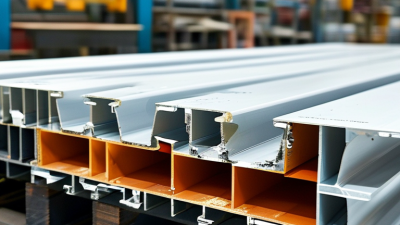
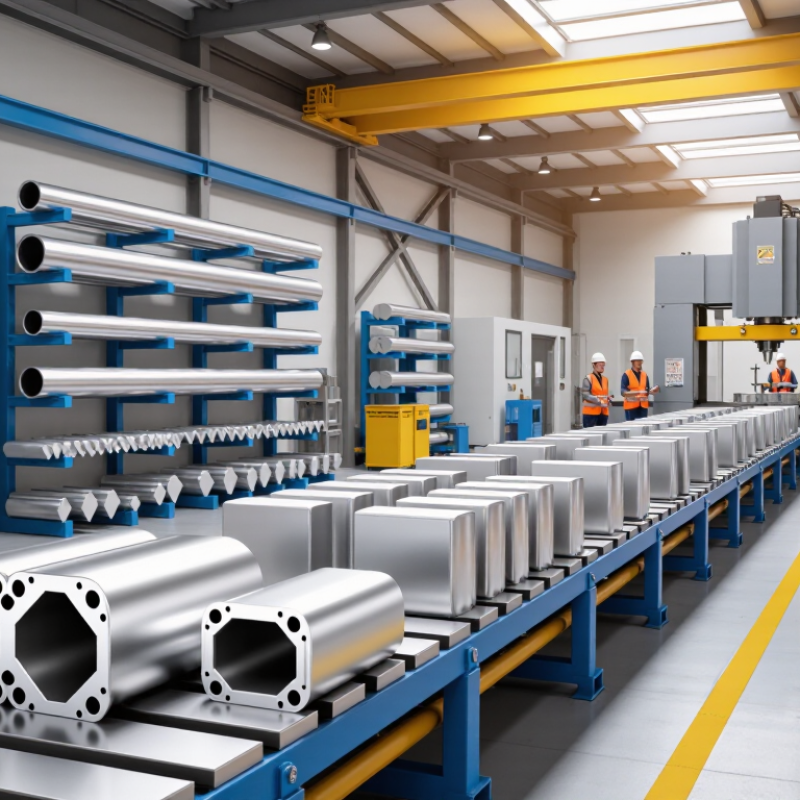
Aluminium extrusion manufacturers shape heated aluminium billets into long, consistent profiles. Common products include window frames, heat-sink fins, structural channels, and custom sections for machinery. The process begins with an alloy selected for strength, corrosion resistance, or ease of forming. A billet is heated until it can flow, then pushed through a steel die by a powerful press.
The die gives the metal its cross-section. Imagine a channel with narrow slots: the opening must guide hot aluminium evenly, or the finished profile may twist or vary in thickness. After extrusion, the profile is cooled, often with controlled air or water, then stretched to straighten it. It is cut to length and heat-treated when the alloy requires added strength. Not every profile needs the same cooling or aging schedule.
Manufacturers may also offer anodizing, powder coating, machining, or drilling. These steps can protect a surface or prepare a part for assembly, but they add time and cost. Buyers should discuss alloy, dimensions, tolerances, finish, and expected use before tooling begins. A small change in wall thickness can affect both die design and press capacity. Even with careful controls, long profiles can show slight variation; that is worth discussing early, not after parts arrive.
How Leading Manufacturers Serve Global Markets
Leading aluminium extrusion manufacturers serve global buyers through more than press capacity. They match alloy, temper, profile geometry, and surface finish to each product’s intended use. A window frame, heat sink, and transport rail require different tolerances and testing plans. Experienced teams review these details before tooling begins. Small changes matter.
For overseas projects, communication and delivery planning are just as important as production. Technical drawings need careful checks for units, tolerances, and revision levels. Samples let buyers confirm fit before placing larger orders. Clear inspection records, protective wrapping, and sturdy crates can reduce damage during long journeys. Some manufacturers hold agreed stock near major markets to shorten replenishment times, though this is not always economical. Buyers should compare lead times, minimum order quantities, and freight options against real demand. No supplier is perfect. Even a strong process can miss a detail, so teams benefit from recording feedback after installation. This work is unglamorous. It often determines whether a global partnership stays dependable.
Top Aluminium Extrusion Manufacturers for Global Buyers
How Leading Manufacturers Serve Global Markets: a material-property comparison relevant to extrusion buyers.
Aluminium’s lower typical density can help buyers reduce component weight. Values are typical room-temperature densities; exact values vary by alloy and grade.
Key Capabilities That Distinguish Top Aluminium Extruders
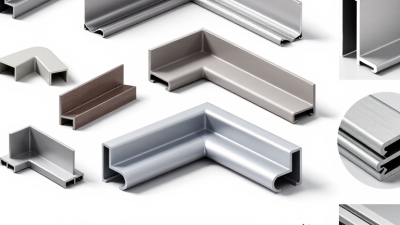
Top aluminium extruders do more than push heated billets through a die. They help buyers match alloy, temper, and profile geometry to the part’s real working conditions. A window frame, heat sink, and machine rail need different balances of strength, weight, and surface finish. Details matter.
Strong engineering support is visible before production starts. Skilled teams review wall thickness, corner radii, and hollow sections, then flag features that may cause uneven flow or distortion. They can explain how die design, press capacity, and cooling affect tolerances. Ask for sample inspection results, not just a promise of precision. A cross-section measurement and straightness check can reveal issues early.
Reliable quality systems track billet batches, extrusion settings, heat treatment, and finishing steps. Buyers should be able to review relevant inspection records and discuss how defects are handled. Consistent anodizing or coating also depends on clean preparation and controlled process conditions. For global orders, packaging matters: long profiles need firm supports and protection against abrasion during transit. Even capable suppliers can misjudge a new design on the first trial. A clear revision process, with marked samples and recorded changes, helps turn that imperfect start into useful production knowledge.
How to Compare Manufacturers by Quality, Capacity, and Certification
A reliable aluminium extrusion manufacturer should prove quality with more than a polished sample. Request drawings with tolerances, alloy and temper details, and inspection results from recent production. Compare the sample against your actual use: check wall thickness, straightness, surface finish, and fit at assembly. Small differences can affect installation. Paperwork is not proof.
Tips: Ask for a sample from a production run, not only a specially prepared piece. Confirm how defects are recorded and who approves corrective action. For capacity, compare monthly output, press size, die availability, and realistic lead times. A large stated capacity may not mean your profile can be scheduled quickly.
Review certificates for scope, issuing body, validity, and whether the certified site is the one making your parts. Ask how material batches are traced from incoming billets to finished profiles. Capacity claims should also account for finishing, packaging, and shipping, not just extrusion speed. If a supplier cannot explain a process clearly, pause and ask again. That hesitation may be yours, not theirs—but it deserves attention. Certifications support due diligence; they do not replace technical review, sample approval, or clear written specifications.
Factors Global Buyers Should Consider When Selecting a Supplier
Global buyers should assess an aluminium extrusion supplier beyond price per kilogram. Confirm alloy, temper, dimensional tolerances, and surface-finish requirements against the intended application. Ask how the supplier controls die wear, process temperatures, and batch-to-batch variation. Request inspection records and sample profiles, then check critical dimensions with your own gauges. A polished sample is useful, but production consistency matters more.
The International Aluminium Institute reports that about 75% of all aluminium ever produced remains in use. This makes recycled-content claims and scrap-handling practices worth checking, not simply accepting. Request clear documentation of material composition and traceability. Also examine capacity, lead times, packaging, and export experience. No audit catches everything; an overlooked packing detail can still damage long profiles in transit.
Tips: Send a drawing with tolerances, finish, and expected annual volume before requesting quotations. Ask for a trial order and a written inspection plan. Compare landed cost, not just the unit price. If a supplier cannot explain how it measures a critical tolerance, pause and ask again. That hesitation can feel inconvenient, but it may prevent costly rework.