China Best Extrusion Aluminum Profiles Suppliers?
China has a broad base of manufacturers serving construction, transport, solar, and industrial markets. Yet “best” depends on the part, not a ranking alone. Buyers comparing Extrusion Aluminum Profiles should begin with drawings, alloy requirements, temper, dimensions, and intended use. A window frame exposed to coastal air needs different finish checks than a simple machine guard. Details matter.
A capable supplier should explain its extrusion press range, die design process, tolerance controls, and surface-treatment options in plain terms. Ask how it checks dimensions, coating thickness, color consistency, and packaging before shipment. Request relevant inspection records and confirm claimed certifications with the issuing organization. A sample run can reveal die marks, sharp edges, or color variation that a brochure will not show. No supplier is perfect.
This guide explores practical ways to shortlist Chinese suppliers, assess communication, and compare quotations beyond price per kilogram. It also considers production capacity, tooling charges, minimum order quantities, lead times, and after-sales support. These points can reduce avoidable surprises, though they cannot replace independent verification. One caution: a polished website is not proof of stable quality. If possible, review a factory audit, test a production sample, and agree on acceptance criteria before placing a large order. Good sourcing takes patience. Even experienced buyers sometimes miss a small detail.
What Are Aluminum Extrusion Profiles and How Are They Made?
China Best Extrusion Aluminum Profiles Suppliers?
What Are Aluminum Extrusion Profiles and How Are They Made?
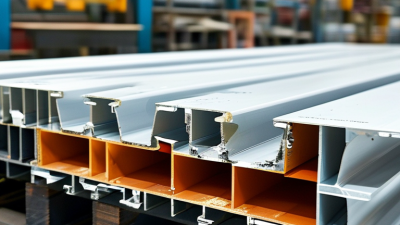
Aluminum extrusion profiles are shaped sections made by forcing heated aluminum through a shaped steel die. The result may be a simple angle or a complex window frame with several hollow channels. The metal flows. The die determines the cross-section, while alloy choice affects strength, corrosion resistance, and finishing options. The USGS Mineral Commodity Summaries 2025 estimates global primary aluminum production at 72 million metric tons in 2024. That figure describes the wider aluminum supply, not extrusion alone, but it shows the scale of the material industry supporting profile production.
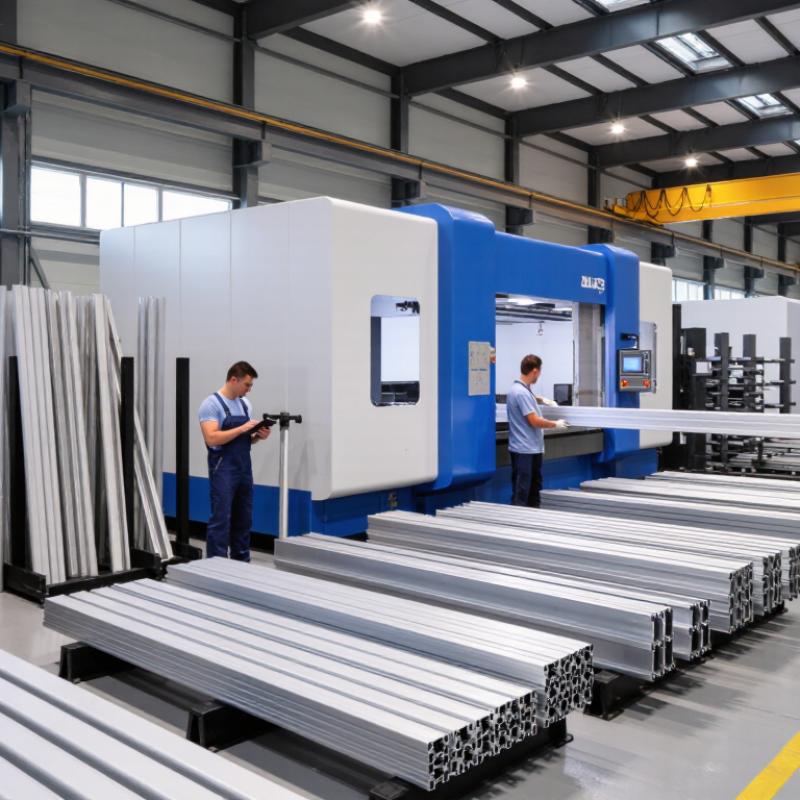
In a typical process, a billet is heated, loaded into a press, and pushed through the die. The emerging profile is cooled, stretched to correct twisting, cut to length, and heat-treated when the alloy requires it. Surface finishing, such as anodizing or powder coating, may follow. Small details matter. Even slight temperature changes or worn tooling can affect dimensions and surface quality. On paper, extrusion looks tidy; on the shop floor, process control takes experience. Buyers comparing Chinese suppliers can ask for alloy specifications, dimensional tolerances, inspection records, and sample sections. A polished catalog is not proof of consistent production.
How to Evaluate Aluminum Profile Suppliers in China
When evaluating aluminum profile suppliers in China, look beyond catalog photos and quoted price.
The USGS Mineral Commodity Summaries 2024 estimated China produced 41 million metric tons of primary aluminum in 2023, out of about 70 million worldwide. That scale shows a deep industrial base, not consistent quality at every factory. Ask for the exact alloy and temper, dimensional tolerances, and batch-level inspection records. Compare the supplier’s test methods with the specification you need, such as ASTM B221 for extruded aluminum products. A sample can look excellent. It may still hide variation between production runs.
For surface finishes, request measurable results, not phrases like “premium anodizing.” Check coating thickness, color consistency, and corrosion-test records against your stated requirements; ISO 7599 provides guidance for anodic oxidation coatings. Ask how dies are maintained and how profile dimensions are checked after extrusion. A factory audit should include calibrated instruments, traceable material certificates, and real production records—not just a polished showroom. This check is imperfect. Even a capable supplier can miss a detail, so confirm critical dimensions on a pilot batch before approving full production. Compare several suppliers using the same drawing, finish, and acceptance criteria. That makes quotations more meaningful, and exposes assumptions early.
Which Industries Do Chinese Extrusion Suppliers Serve?
Chinese extrusion suppliers serve a wide range of industries, but each sector needs different profile designs and production controls. Construction is a major market. Window frames, curtain walls, handrails, and door systems rely on consistent dimensions and durable surface finishes. A small variation can complicate installation across a large building. Fit matters.
Transport manufacturers use lightweight aluminum sections for vehicle bodies, interior rails, and equipment housings. Solar projects need long rails with reliable mounting slots, while electronics producers often require compact heat sinks with precise fins. Furniture makers and industrial equipment builders also use custom profiles for frames, guides, and protective covers. Small details count.
When comparing suppliers, buyers should share drawings, alloy requirements, finish expectations, and annual quantities. Ask how dimensions are checked and whether sample profiles can be reviewed before full production. A supplier’s stated capability is useful, but inspection records and clear communication offer stronger evidence. One weakness in many sourcing plans is treating every extrusion as a standard item. It may look simple on paper. In practice, wall thickness, cutting accuracy, packaging, and delivery schedules can affect assembly and project costs. A careful supplier discussion helps expose these issues early.
What Quality Standards and Services Should Buyers Compare?
China Best Extrusion Aluminum Profiles Suppliers?
What Quality Standards and Services Should Buyers Compare?
A reliable comparison starts with the profile, not the sales brochure. Confirm the alloy, temper, dimensions, and drawing revision match your application. Ask for inspection records covering straightness, wall thickness, and critical tolerances. For finished profiles, check coating thickness, color consistency, and surface defects under clear acceptance criteria. Request material traceability and test reports for the actual production batch. A quality certificate can help, but verify its scope and validity. It does not prove every profile meets your drawing.
Service matters after the sample is approved. Compare response times for technical questions, tooling support, sample lead times, and how production changes are controlled. Ask how profiles are packed; thin edges can arrive scratched or bent if bundles move in transit. Clarify inspection frequency and what happens when results fall outside agreed limits. Even experienced buyers sometimes focus on unit price and overlook packaging or revision control. I have seen that gap create avoidable delays.
Tips: Send the same drawing and acceptance checklist to each supplier. Compare sample measurements with your own gauge, and record any differences. Ask for a written corrective-action process. A polished sample is useful, but one sample cannot show long-run consistency.
How to Choose a Supplier for Your Project Needs?
Choosing an aluminum extrusion supplier in China starts with the project details, not a ranking. Share the profile drawing, alloy, temper, dimensions, and expected order volume. A supplier should explain which tolerances are practical and flag shapes that may require a larger die or extra trials. Ask how die charges, sample approval, and design changes are handled. Small details matter. A profile that looks simple on screen may twist or show uneven wall thickness after extrusion. Request a sample made with the proposed material and finish, then inspect it against your drawing.
Check the supplier’s process, not just its quoted price. Ask how they control billet quality, extrusion temperature, straightness, and surface defects. For anodized or powder-coated profiles, clarify the finish standard and how color variation is assessed across batches. Review inspection records and material documents relevant to your order. Also confirm production lead time, packaging, and how damaged goods are reported. Communication is part of quality. If answers stay vague, that is useful information, though not proof of poor performance. I would also compare quotes line by line; a low figure can exclude tooling, finishing, or protective packing. Leave room for a pilot order, because drawings and real production do not always agree.