Leave Your Message

What Are Insulated Aluminium Window Profiles?

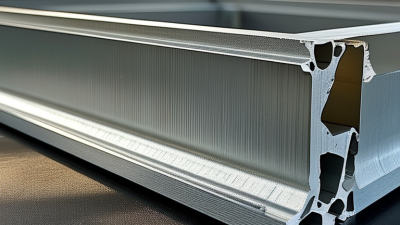
Insulated Aluminium Window Profiles are aluminium frame sections designed to slow heat transfer between a building’s interior and exterior. A thermal break—often a reinforced polyamide strip—separates the inner and outer aluminium sections. The frame still feels solid and slim, but heat has a less direct path through it.

Building scientist Dr. John Straube’s work supports a useful principle, paraphrased here: “A window’s thermal performance depends on the whole assembly, not its frame alone.” That means glazing, seals, spacers, installation, and profile design all matter. A well-designed profile cannot compensate for a poorly fitted window. Small gaps count.

In practice, the details are tangible: a continuous thermal break, tight corner joints, and seals that remain resilient around the sash. These features can help reduce heat loss and interior-surface condensation, though results vary with climate and installation quality. They do not make aluminium nonconductive. They manage its weakness.

For homeowners, architects, and specifiers, understanding Insulated Aluminium Window Profiles makes product comparisons more meaningful than simply checking frame depth or finish. Ask how the thermal break is configured, and review tested performance data for the complete window. Numbers help. So does careful installation. Even then, no single profile solves every building’s comfort problems; that is worth remembering.
What Are Insulated Aluminium Window Profiles?

What Insulated Aluminium Window Profiles Are

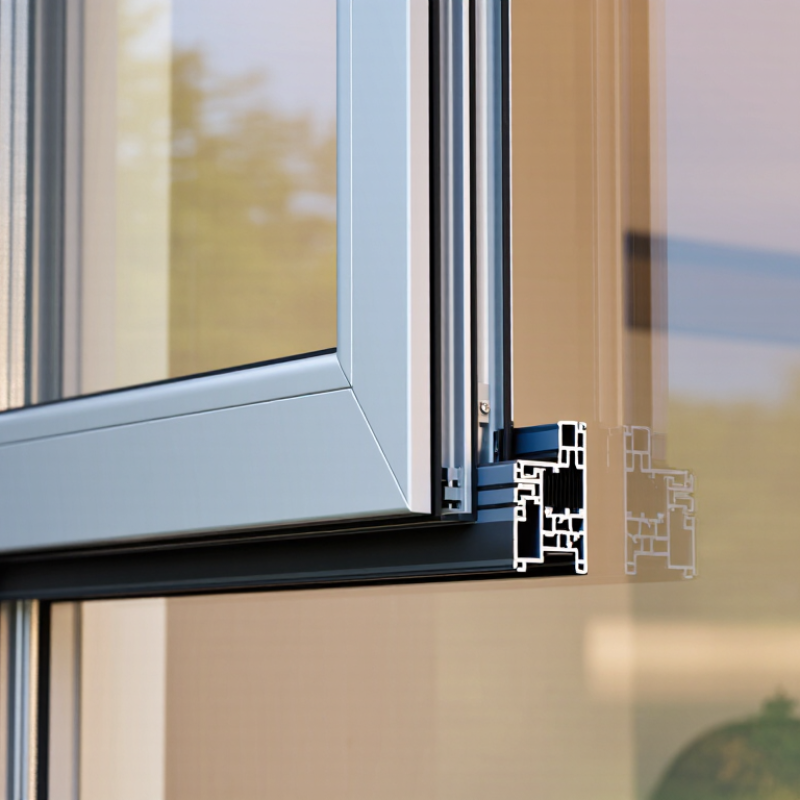
An insulated aluminium window profile is the shaped frame section that holds the glass and connects the sash to the surrounding wall. In most modern designs, insulation comes from a thermal break: a low-conductivity strip, often polyamide, fitted between the inner and outer aluminium sections. This interrupts the direct path for heat and cold through the metal. Small chambers, gaskets, and carefully joined corners also help limit drafts and water entry.

The frame is only one part of the window. Glass type, edge spacers, seals, and installation all affect comfort and energy use. A profile with a thermal break may feel less cold indoors on a winter morning, but it cannot compensate for gaps around the frame. Details matter. The word “insulated” can be confusing, since it does not always mean the aluminium itself is filled with foam. When comparing specifications, check the frame’s thermal performance and the complete window’s rating, rather than relying on the label alone. I would also inspect corner joints and seals; those details are easy to overlook, and performance depends on the finished assembly.


What Are Insulated Aluminium Window Profiles?

Insulated aluminium window profiles use a low-conductivity thermal break, commonly made from polyamide, to separate the inner and outer aluminium sections. This reduces heat transfer through the frame. The chart compares approximate material thermal conductivity; lower values indicate less heat conduction. Actual values vary by material grade and conditions.

How Their Aluminium Sections and Insulating Layers Are Built

An insulated aluminium window profile is not a single hollow bar. It is usually made from separate inner and outer aluminium sections, joined by a low-conductivity insulating strip. Polyamide is commonly used for this thermal break. It limits direct heat transfer across the frame while preserving aluminium’s strength and slim appearance.

The sections are shaped with internal chambers, grooves, and channels. Some chambers improve rigidity; others help hold screws, glazing beads, or weather seals. The insulating strip is locked into grooves in both aluminium halves, often through a controlled rolling process.

A close fit matters. If the connection is poorly made, the frame may lose strength or allow unwanted movement. A neat section drawing can still hide a weak corner joint.

At a workshop, the cut profile ends reveal the layers clearly: metal, insulating strip, then metal again. Seals sit where the sash meets the frame, while drainage paths guide incidental water outward.

Small details matter. A thermal break alone does not guarantee a warm window. Glazing, gasket condition, installation, and air leakage all affect real performance. Even a carefully designed profile can disappoint if those parts are overlooked. The cross-section is only part of the story.

How Thermal Breaks Reduce Heat Transfer

An insulated aluminium window profile uses a thermal break to interrupt the metal’s direct path from outdoors to indoors. Aluminium is strong and slim, but it conducts heat readily. Manufacturers separate the inner and outer sections with a low-conductivity material, commonly a reinforced polyamide strip. On a cold morning, this barrier helps keep the room-side frame warmer and reduces the chance of condensation forming along the metal edge. That gap matters.

The U.S. Department of Energy’s Energy Saver guidance estimates that heat gain and loss through windows account for 25–30% of residential heating and cooling energy use. That figure covers the whole window, not just its frame, so it should not be read as a guaranteed saving from a thermal break alone. The National Fenestration Rating Council’s ratings help compare whole-window U-factor; a lower value means less heat transfer. Look at that rating alongside glazing, seals, and installation details. A thermal break is not magic. A poorly fitted frame can still leak air, and even a good profile may perform differently in a real building than in a test. That is worth checking.

Key Performance Factors, Including Energy Efficiency and Condensation Control

Insulated aluminium window profiles separate the inner and outer metal sections with a low-conductivity thermal break. This limits heat flow through the frame, which matters on cold mornings when an unbroken aluminium surface can feel icy. The U.S. Department of Energy estimates that heat gain and loss through windows account for about 25–30% of residential heating and cooling energy use. That figure covers the whole window, not the frame alone. Glazing, seals, installation, and frame design all affect performance.

Condensation control depends on keeping interior surfaces warm enough to stay above the room’s dew point. A thermal break can help, but it cannot compensate for high indoor humidity, poor ventilation, or leaking seals. Details matter. The National Fenestration Rating Council’s optional Condensation Resistance rating runs from 1 to 100; higher scores indicate better resistance under the rating method. Check this alongside the U-factor, which describes heat transfer, rather than relying on one number. A window can still fog at its edges if the glass spacer or installation creates a cold spot. That is easy to overlook. It is also why product ratings should be read with the building’s climate and room conditions in mind.

Common Applications and Profile Selection Considerations

Insulated aluminium window profiles use an insulating material between the inner and outer sections of the frame. This reduces heat transfer compared with a continuous metal section, though the complete window’s performance also depends on its glass, seals, and installation. That distinction matters. These profiles are used in homes, offices, schools, and glazed façades, where slim sightlines and durable frames are useful. In renovations, check the existing opening carefully; a deeper profile may not fit without changes to the surrounding wall.

Selection should start with the building’s exposure and use. A windy upper-floor façade may need different tested air, water, and wind performance from a sheltered ground-floor window. Consider thermal performance, frame depth, glazing thickness, drainage, and hardware compatibility together. Ask for test data for the full window system, not just the aluminium profile. In cold or humid rooms, frame and glazing choices can affect condensation risk. Installation quality matters too. A strong profile cannot compensate for poorly sealed joints. It is easy to focus on a single insulation figure, but that can be misleading; sometimes the practical constraints of the opening deserve more attention.