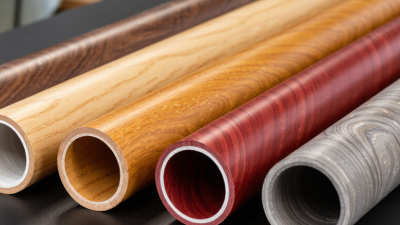
Choosing a Wood Grain Aluminium Pipe manufacturer takes more than admiring a warm oak-like finish. Buyers should examine the alloy, wall thickness, coating process, colour consistency, and dimensional tolerances. Ask for a physical sample. Check it under daylight and indoor lighting. Small shifts in tone can become obvious across a long run of pipe.
This 2026 guide compares seven manufacturers through practical selection criteria, including product range, customization, quality controls, lead times, and technical support. A useful principle is: “Judge the finish in your actual lighting, not only on a screen.” This is original editorial wording, not a verified quotation. No source was provided for a named industry expert or an attributable statement, so assigning one would risk misleading readers.
The comparison also has limits. Published specifications do not always reveal how a supplier handles batch variation or packaging damage. Request current documentation, confirm sample-to-order consistency, and clarify acceptable tolerances before committing. Wood-grain effects can look convincing in a catalogue, yet repeatability matters more than a single attractive sample. Use this shortlist as a starting point—not a substitute for supplier checks.
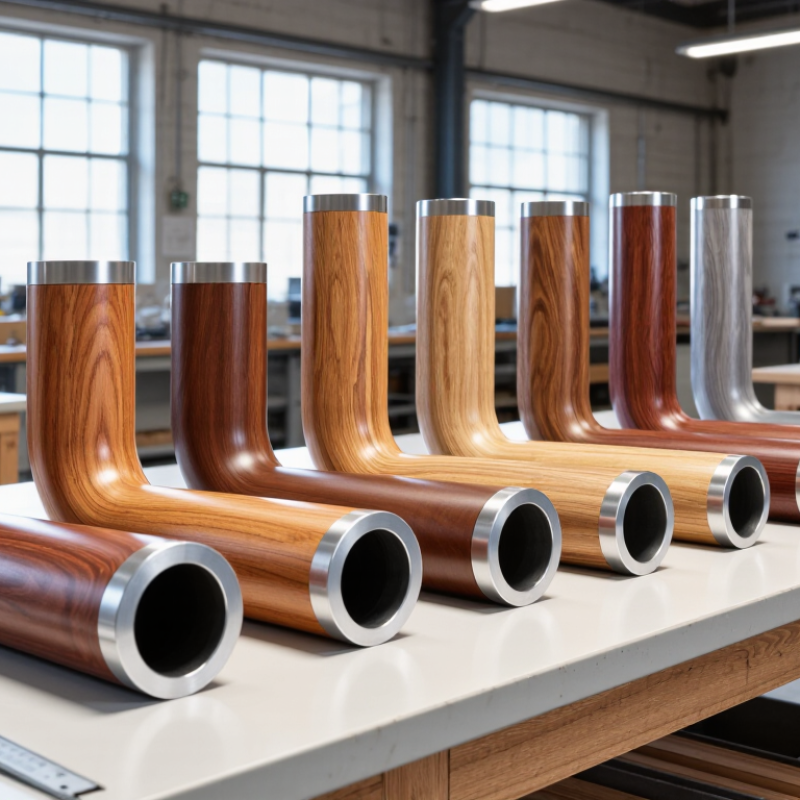
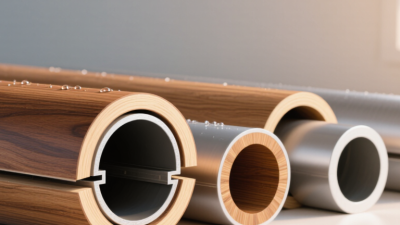
Wood-grain aluminium pipes combine an extruded metal tube with a decorative surface designed to resemble timber. The pattern is commonly transferred onto a coated aluminium surface using heat, so the grain is a finish, not solid wood. It can suggest oak or walnut while keeping the pipe’s profile and dimensions consistent. Not real timber. The effect is usually visual rather than deeply textured; run a finger across a sample before specifying it.
Durability depends on more than the printed pattern. Surface preparation, coating quality, transfer control, and curing all affect how evenly the finish holds up. Inspect pipe ends, joints, and bends closely, where small defects or mismatched grain can become obvious. On long installations, repeated patterns may look artificial, so ask for samples from different production lengths. The International Aluminium Institute reports that recycling aluminium can use up to 95% less energy than producing primary aluminium, a useful material consideration when comparing options. That figure concerns recycling, not the finished pipe’s total environmental impact. Ask suppliers for coating specifications, maintenance guidance, and evidence that their process suits the intended indoor or outdoor exposure.
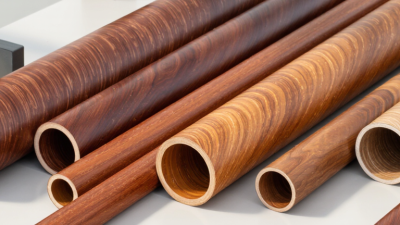
Manufacturing a wood grain aluminium pipe starts with an extruded tube or profile shaped to the required diameter and wall thickness. The surface is cleaned and pretreated so coatings can bond evenly. A base color is applied, then a printed wood pattern is transferred using heat. Some production lines add a protective clear layer. Details matter. Small changes in temperature, pressure, or transfer-film tension can soften the grain or leave uneven color. Each batch should be checked against an approved sample, not just a catalog image.
Evaluation should cover dimensions, straightness, surface finish, and coating adhesion. Inspect the pipe under neutral lighting; grain that looks convincing in a showroom may appear too dark outdoors. Practical tests can include cross-cut adhesion checks, coating-thickness measurements, and exposure tests for moisture or ultraviolet light. Ask how samples were tested and whether production settings match the sample. Wood patterns are not perfectly uniform, and they will not imitate natural timber in every detail. That difference is worth discussing before ordering. A strong finish still needs careful packing, since rubbing between pipes can mark the surface during transport. Some inspection methods also miss defects on the inner wall, so buyers should clarify which areas are examined.
Choosing among seven leading wood grain aluminium pipe manufacturers means looking beyond a convincing finish. Compare alloy and temper options, pipe dimensions, wall-thickness tolerances, coating methods, and production consistency. Ask for finish samples under both daylight and warm indoor lighting; printed grain can shift noticeably between them. Request test records for coating adhesion and weather resistance, plus clear details on inspection and batch traceability.
The International Aluminium Institute projects global aluminium demand could rise from 86 million tonnes in 2020 to 119 million tonnes by 2030. Its industry guidance also notes that recycling aluminium can use about 95% less energy than primary production. These figures make recycled-content documentation worth checking, but recycled input alone does not prove a pipe’s quality or environmental performance. A careful supplier should explain material sourcing and provide supporting records.
Tips: Compare the same sample dimensions and finish across suppliers. Check cut edges, joints, and grain alignment—not just the front surface. Ask how the coating performs outdoors and what warranty conditions apply. One sample may look perfect; full production can vary. That deserves a second look.
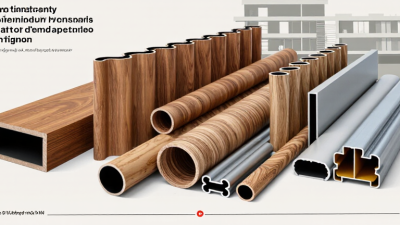
Comparing wood grain aluminium pipe manufacturers means looking beyond attractive sample boards. Check whether each supplier can hold consistent outer diameters, wall thicknesses, and straightness across a production run. Ask which alloys and surface treatments are available, and whether matching elbows or profiles can be supplied. These details affect fit and appearance on site.
Tips: Request a sample cut from the same alloy and finish planned for your order. View it in daylight and indoor lighting. Ask how color variation is checked between batches.
Wood grain effects can differ in pattern, depth, and gloss. A printed-looking finish may suit a sheltered interior, while exposed projects need clear information about coating durability and care. Ask for test results with the conditions stated; a test name alone tells little. Also compare standard lengths, custom cutting, packaging, and lead-time estimates. A small sample is useful, but it cannot show every production variation. That uncertainty deserves a real conversation, not a guess. Manufacturers that explain limits clearly can make comparisons more reliable.
This comparison covers seven practical capabilities to assess when selecting a manufacturer. It does not rank or identify specific companies; product availability, dimensions, certifications, and performance should be confirmed directly with each supplier.
| Capability to Compare | What It Covers | Common Options or Reference Points | What to Confirm with the Manufacturer |
|---|---|---|---|
| 1. Pipe profiles | Available cross-sections for architectural, furniture, and general fabrication uses. | Round, square, rectangular, and other custom hollow profiles are common aluminium extrusion formats. | Which profiles are standard, which require a custom die, and the available outside dimensions, wall thicknesses, and tolerances. |
| 2. Aluminium alloy and temper | Material selection affects strength, formability, corrosion behaviour, and finishing suitability. | 6xxx-series alloys are widely used for extruded architectural components; alloy and temper must be matched to the application. | The exact alloy and temper, material certificates, and any applicable product or project requirements. |
| 3. Wood-grain transfer process | How the decorative wood appearance is applied to the aluminium surface. | A widely used approach applies a printed film pattern over a coated aluminium substrate using heat transfer or sublimation. | The coating system beneath the pattern, process controls, sample approval procedure, and whether the finish is suitable for the intended exposure. |
| 4. Wood patterns and appearance | The visual range and consistency of the decorative finish. | Common catalogue styles imitate timber grain; pattern names and colour availability vary by supplier. | Physical samples, grain direction, gloss level, batch-to-batch colour tolerance, and repeat-pattern limitations. |
| 5. Coating performance | The coating's specified performance and suitability for the project environment. | AAMA 2603, 2604, and 2605 are distinct architectural coating performance specifications; they are not interchangeable product guarantees. | The exact coating specification, test documentation, warranty terms, and whether the wood-grain system is included in the stated performance. |
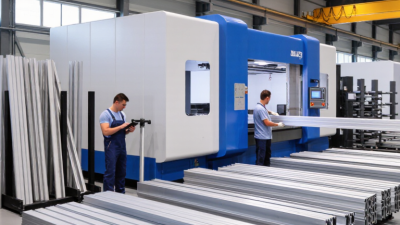
| 6. Fabrication and finishing services | Value-added operations that can reduce downstream processing. | Cutting, drilling, machining, and other fabrication services may be offered, subject to the profile and order requirements. | Available operations, dimensional tolerances, edge treatment, packaging, and whether processing occurs before or after finishing. |
| 7. Custom orders and quality documentation | Ability to support project-specific profiles, finishes, inspections, and traceability. | Custom dies, minimum order quantities, lead times, and inspection records are supplier- and project-specific. | Tooling charges, minimum quantities, sample and approval stages, inspection reports, material traceability, and delivery schedule. |
Choosing a wood grain aluminium pipe manufacturer starts with the project conditions, not the catalogue. A garden screen exposed to rain needs different coating performance from an indoor display frame. Ask which aluminium alloy and wall thickness are available, and request tolerance details for diameter and straightness. These affect fitting, cutting, and assembly. A good manufacturer should explain its transfer process, surface preparation, and quality checks in clear terms. Vague answers deserve a follow-up.
Review a physical sample in daylight and under warm indoor lighting. Wood grain can appear convincing in a showroom yet look too orange beside your actual materials. Check the pattern consistency, coating adhesion, edge finish, and colour variation between pipes. Ask for relevant test records and production samples, not just polished product photos. Also confirm custom lengths, packaging, minimum order quantities, and realistic lead times. A lower quote may exclude extra finishing or careful packing. That can change the final cost.
Tips: Send a simple drawing with dimensions, intended use, quantity, and finish preference. Ask how the manufacturer handles defects and replacement parts before placing an order. Compare replies for technical detail, not speed alone. No supplier is perfect; even a strong sample may not represent every production batch, so agree on inspection criteria in writing.
Suggested evaluation weights for comparing manufacturers. These are planning guidelines, not manufacturer ratings or market research; adjust them to fit your project.
Prioritize finish durability and dimensional fit for demanding applications, and give customization, delivery, and documentation more weight when they are critical to your project.