7 Tips for Buying Wood Grain Aluminum Tubes
A Wood Grain Aluminum Tube can bring the warmth of timber to a project while keeping the practical advantages of aluminum. Buyers use these tubes for railings, furniture frames, screens, and architectural details. The finish may resemble oak, walnut, or other woods, but appearance alone cannot confirm that a product suits the job. Check the alloy, dimensions, wall thickness, and finish process against your design requirements. Small differences matter. A tube that looks sturdy in a photograph may feel too light or have unsuitable tolerances once installed.
Lighting also changes how a wood pattern appears. A sample viewed beneath showroom lights can look different beside a sunlit window. Ask for a physical sample, then inspect its color, texture, grain direction, and consistency across multiple pieces. Consider where the tubes will be used, how often they will be handled, and whether the finish needs extra care. Supplier specifications and quality records can help clarify what you are buying, though they do not replace checking the actual sample. Be careful with broad claims about scratch resistance or outdoor performance; ask what testing supports them. It is easy to focus on the printed grain and overlook the details that affect fit and service life. That happens. The following seven tips offer a practical way to compare products, ask useful questions, and avoid costly surprises before placing an order.
Determine the Intended Use and Required Tube Specifications
7 Tips for Buying Wood Grain Aluminum Tubes
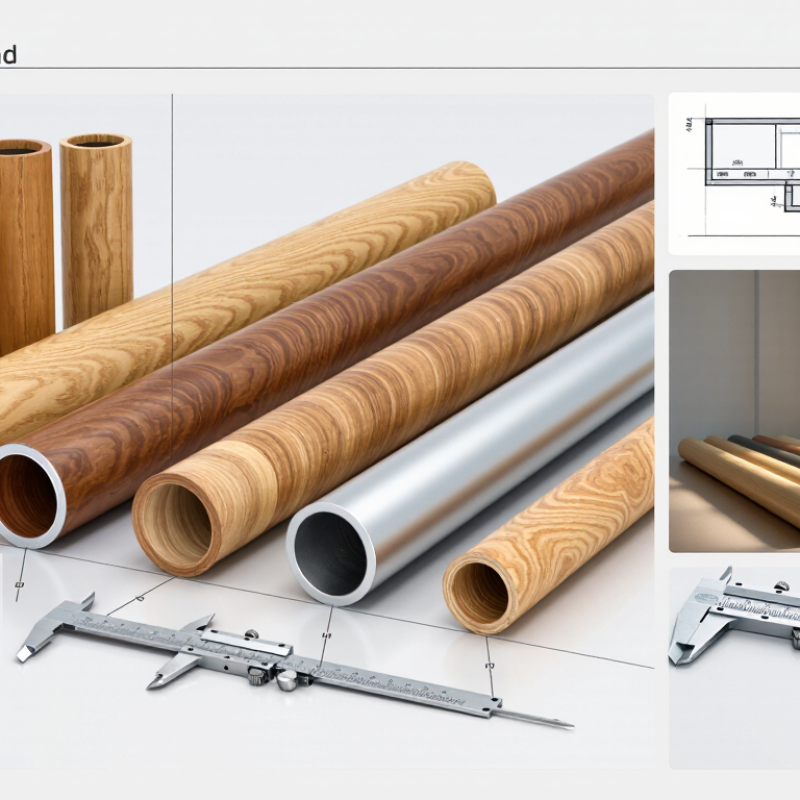
Determine the Intended Use and Required Tube Specifications
Start with the job, not the finish. A tube used as a light decorative trim has different needs from one carrying a sign or supporting a frame. Record the outside diameter, wall thickness, length, connection method, and expected load. Measure the actual assembly, including brackets and fasteners. Small details matter. Ask the supplier for alloy, temper, dimensional tolerances, and load or deflection data; appearance alone cannot confirm structural suitability. European Aluminium’s building-and-construction technical guidance gives aluminum’s density as about 2.7 g/cm³, compared with roughly 7.8 g/cm³ for steel. That lower weight can ease handling, but it does not make every thin-walled tube strong enough.
Tip: Match the surface to the setting. For outdoor use, ask for finish-performance documentation relevant to UV exposure and moisture, and inspect a sample for grain direction, color variation, and coating coverage. Check whether the wood pattern will align across visible joints. It may not. A small mismatch can stand out on a long run, even when individual tubes look convincing. Before ordering a full batch, confirm cut lengths, end condition, and packaging; dents or scratches can spoil the finish before installation. Compare the supplier’s stated tolerances with your design drawings, and leave room for assembly variation rather than assuming every tube will fit perfectly.
Choosing Wood Grain Aluminum Tube Wall Thickness by Intended Use
Illustrative preliminary targets to help define your requirements before requesting a quote.
These values are planning examples, not universal specifications. Confirm load, tube dimensions, alloy and temper, finish, and applicable safety requirements with a qualified supplier or engineer.
Choose the Aluminum Alloy, Shape, and Dimensions
Choose the alloy before comparing the wood-grain finish. The Aluminum Association’s Aluminum Standards and Data lists typical minimum yield strengths near 35 ksi for 6061-T6 and 16 ksi for 6063-T5 extrusions. These figures vary with section thickness and temper. The numbers matter. For load-bearing tubes, 6061-T6 may suit higher stresses, while 6063-T5 is often easier to extrude into decorative profiles. Check the supplier’s material certificate; a finish sample cannot confirm alloy or temper.
Shape affects both appearance and function. Round tubes suit rails and exposed frames, while square or rectangular sections can sit flush against panels. Measure the installation space, including corner clearance and room for fasteners. Then specify outside dimensions, wall thickness, length, and acceptable tolerances. ASTM B221 covers aluminum-alloy extruded bars, rods, wire, profiles, and tubes, but confirm that the quoted tolerance applies to your actual shape and size. Wood-grain transfer adds another variable: grain direction and color can look different across flat faces and rounded edges. Request a finished sample. I would still recheck measurements at the job site; drawings are not always current.
Evaluate Wood Grain Finishes and Surface Durability
Wood grain aluminum tubes can look convincing under showroom lights yet appear flat in daylight.
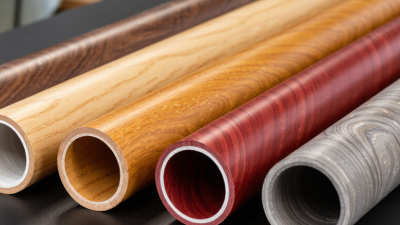
Inspect samples outdoors, then view them from several angles. Grain should remain consistent around corners and along the full tube, without abrupt repeats, cloudy patches, or bare edges. Ask whether the finish uses sublimation over a powder-coated base, and request batch samples; print tone can vary between production runs.
Small differences matter.
Surface durability needs evidence, not adjectives.
Ask for the coating system, film thickness, pretreatment details, and test reports for the exact finish. The AAMA 2604-22 performance specification includes five-year South Florida outdoor exposure testing; its criteria include a maximum color change of 5 ΔE. This is a useful benchmark, not a promise that every wood grain finish will perform identically. Check whether the report covers the same substrate and process.
It may not.
Also examine abrasion and cleaning guidance.
Rub a discreet sample with a soft cloth, then check whether the grain loses gloss or shows scratches. For exposed installations, ask about corrosion testing and cut-edge protection; water can collect inside poorly sealed tube ends. ASTM D2244 provides a method for calculating color differences, while ASTM D4214 evaluates chalking on painted surfaces.
These tests answer different questions. A neat sample still tells only part of the story.
Check Manufacturing Quality and Supplier Credentials
A wood-grain finish can hide small defects until the tube catches direct light.
Ask for a production sample, not just a showroom piece. Rotate it under bright, angled lighting and check for uneven color, blurred grain, bubbles, or bare spots near the edges. Compare several tubes side by side; noticeable shade changes may point to inconsistent coating or process control. Check dimensions, wall thickness, and straightness against your project requirements, too.
Ask the supplier how the grain is applied and how each production batch is inspected. Request material and coating specifications, inspection records, and traceability details linking samples to actual batches. Useful evidence includes documented checks for finish adhesion, surface defects, and dimensional consistency. A polished certificate alone is not enough. Confirm that the supplier can explain what the document covers and provide recent, relevant records.
Supplier credentials matter, but they should match what you can verify. Review the company’s quality procedures, production capability, and experience with comparable tube profiles. If possible, arrange a facility review or request clear photos of inspection equipment and work areas. This detail is easy to overlook. No checklist catches everything; I would not pretend otherwise. Ask how defects are handled, who approves corrective action, and whether replacement samples can be checked before a larger order proceeds.