China Best Wood Grain Aluminum Tube Manufacturer?
Choosing a China-based Wood Grain Aluminum Tube manufacturer takes more than comparing catalog photos or quoted prices. The finish should look consistent across samples, with grain direction, color, and surface texture checked under natural light. Ask how the wood pattern is transferred, what coating system is used, and how each production batch is inspected. These details can affect appearance, durability, and suitability for indoor or outdoor projects.
Small checks matter. Request dimensional tolerances, alloy information, available tube profiles, and sample lead times before placing a large order. If the tubes will be cut, drilled, or assembled, discuss those processes with the supplier; a finish that looks convincing on a sample may behave differently after fabrication. That is easy to overlook. A careful manufacturer should explain its quality-control steps and provide relevant test reports or certifications where available, rather than relying on broad promises. Buyers should also clarify packaging, shipping terms, and procedures for addressing defects. No supplier is automatically the best for every application. Comparing verified specifications, samples, and communication can reveal which Chinese manufacturer fits the project’s practical needs—and where further questions remain.
What Are Wood Grain Aluminum Tubes?
China Best Wood Grain Aluminum Tube Manufacturer?
What Are Wood Grain Aluminum Tubes?
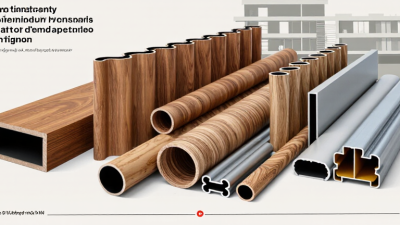
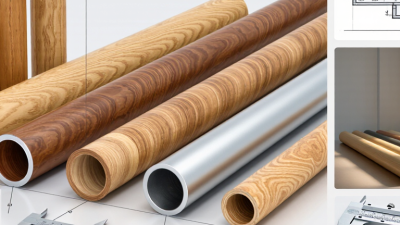
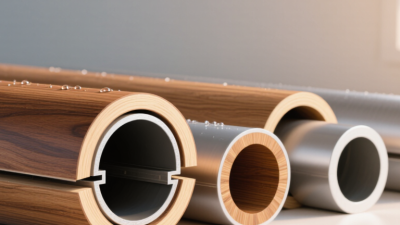
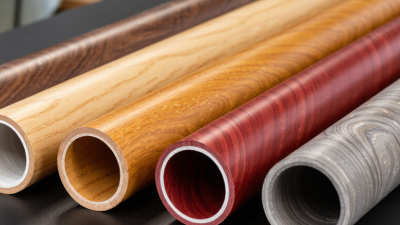
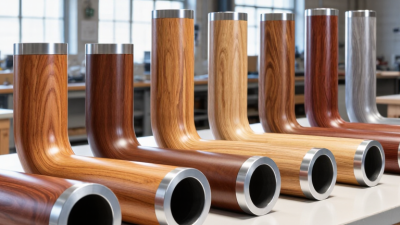
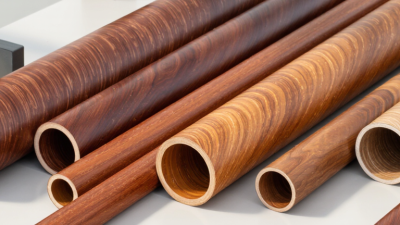
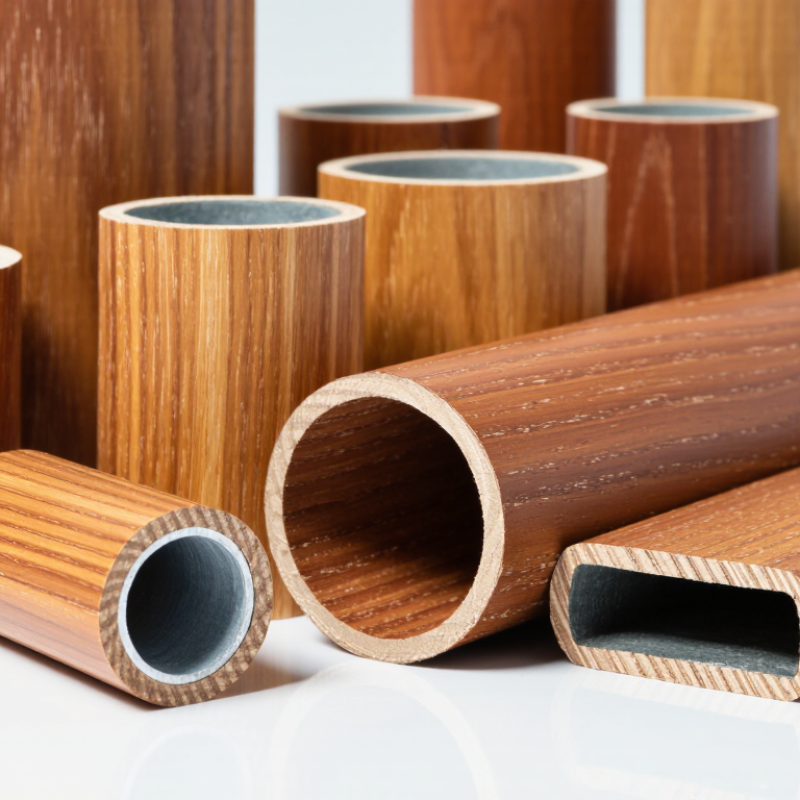
Wood grain aluminum tubes are aluminum profiles finished to resemble timber. Their base is usually extruded aluminum, shaped into round, square, or custom hollow sections. A coating and heat-transfer process can add oak-like lines, knots, and color variation. The result is a metal tube with a wood-inspired surface, not a wooden core. It resists moisture better than untreated wood, but its appearance and service life depend on coating quality and exposure.
The International Aluminium Institute reported 70.6 million tonnes of global primary aluminum production in 2023. This figure describes the scale of aluminum supply, not the performance of any specific tube. For buyers, check the alloy, wall thickness, coating specification, and test data for color and weather resistance. Ask for a finished sample: grain patterns may look convincing from a distance, yet too regular up close. That matters on visible railings, screens, and furniture frames.
Tips: Compare samples in daylight. Confirm coating and thickness in writing. Ask how the finish performs outdoors. A wood look is not a wood texture.
How Are Wood Grain Aluminum Tubes Manufactured?
Wood-grain aluminum tubes begin as billets heated and pushed through a shaped die. The extrusion forms a hollow profile with consistent dimensions. After quenching and aging, the tube is cut, straightened, and checked for surface defects. Small flaws matter. A shallow scratch can remain visible beneath a decorative finish.
The surface is cleaned and pretreated before a base powder coating is applied. For thermal-transfer finishing, a printed film wraps around the tube, then heat transfers the wood pattern onto the coating. Temperature, pressure, and curing time affect color depth and pattern clarity. The process is not perfectly uniform; grain repeats or slight shade shifts can appear, so samples should be checked under natural light. Quality checks commonly cover coating thickness, adhesion, dimensions, and visual consistency. The International Aluminium Institute’s Aluminium Recycling fact sheet reports that recycling aluminum uses about 5% of the energy required for primary production. Recovered extrusion scrap can therefore matter, though sorting and remelting still require careful control.
Which Standards Define Their Quality and Performance?
For a wood grain aluminum tube, quality starts with the metal beneath the finish. ASTM B221 or EN 755-2 can help define extrusion requirements and mechanical properties. Check the specified alloy, temper, dimensions, and tolerances against the project drawings. A tube that looks straight on a sample board may still vary in wall thickness or twist over a long length. Small details matter.
The wood grain coating needs its own checks. AAMA 2604 or 2605 may be relevant for architectural applications, depending on the required durability and exposure. ASTM D3359 can assess coating adhesion, while ISO 9227 provides a salt-spray corrosion test. These tests offer useful evidence, not a guarantee of service life. No test tells the whole story. Ask for test reports tied to the actual finish and substrate, and inspect color consistency, gloss, and coverage around corners. Also confirm how the grain pattern is controlled between production batches. A certificate can look reassuring, yet omit the exact tube profile or coating system being purchased. Standards help compare products, but careful sampling still matters.
How to Evaluate Chinese Wood Grain Aluminum Tube Manufacturers
When assessing a Chinese wood grain aluminum tube manufacturer, look beyond polished catalog photos. Request a physical sample and check its dimensions, wall thickness, surface texture, and color consistency under daylight. Check the edges. A close inspection can reveal scratches, uneven coating, or grain patterns that fade near corners.
Ask how the wood effect is applied and what checks are made during production. A supplier should explain its coating process and provide relevant test records, such as adhesion or weathering results. Compare samples from different production runs if color matching matters. One attractive sample is not enough. Confirm the alloy, tolerances, available lengths, and packaging details in writing before placing an order.
Communication is part of quality control. Send a drawing with critical measurements and ask the manufacturer to confirm them, rather than relying on a general quotation. Clarify sample fees, production time, inspection arrangements, and how damage in transit is handled. For an outdoor project, discuss the intended climate and maintenance needs. Even a detailed checklist has limits; real production can vary, so approving a pre-production sample is a sensible safeguard.
What Industries Use Wood Grain Aluminum Tubes?
Wood grain aluminum tubes are used in architecture, outdoor structures, furniture, and retail displays. They offer the visual warmth of timber with the lighter weight and corrosion resistance of aluminum. In buildings, designers use them for window frames, sunshades, pergolas, and decorative screens. A tube’s rounded profile can soften a façade without adding the upkeep of exposed wood.
Furniture makers use these tubes for chair legs, table frames, and shelving supports. They work well where a wood-like appearance is wanted but repeated handling or cleaning is expected. Retailers also use them in display stands and shop fittings, where matching a natural interior finish matters. Appearance matters. Grain direction and color can look different across shapes, so sample pieces are worth checking before a large order.
Some transport and recreation products use wood-look aluminum tubes for trim, rails, or lightweight frames. Suitability depends on the alloy, wall thickness, joining method, and finish—not just the pattern. For outdoor use, ask how the coating handles sunlight, moisture, and abrasion. One detail is easy to overlook: bends and cut ends may not show the grain as smoothly as straight sections. The effect is attractive, but it is not a perfect substitute for real timber.
Where Are Wood-Grain Aluminum Tubes Used? They are commonly specified for architectural and interior trim, furniture, outdoor structures, transport interiors, and retail displays. The chart compares the approximate densities of aluminum and steel; lower density can help reduce component weight. Actual suitability depends on the design, alloy, finish, and application.